Travel Hat Guide
A travel hat should suit climate, packing, repeated wear and easy care.
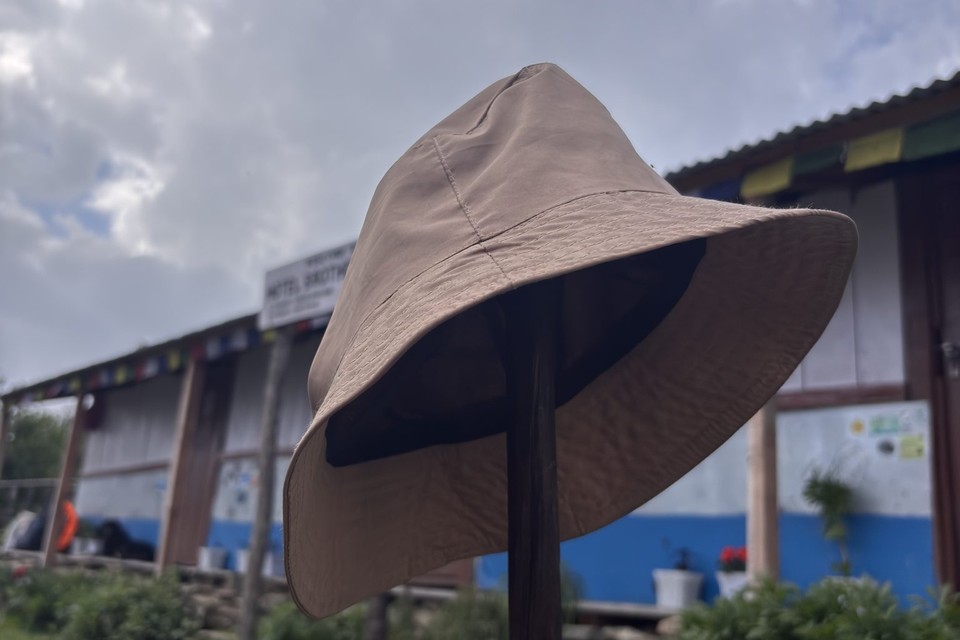
Packability and shape recovery
Travel hats need to survive more handling than hats kept at home. Packability does not simply mean the hat is soft. A hat should be able to fold, roll or compress according to the product guidance and then recover enough shape to look intentional.
Structured fedoras and stiff straw hats can be difficult to pack unless they are explicitly described as packable or crushable. Bucket hats, unstructured caps and some technical brimmed hats are easier to carry. If a hat must go in luggage, check whether the brim can crease.
Weather and itinerary
Match the hat to the actual trip. A city break may need neutral styling and all-day comfort. A beach trip may need shade, ventilation and moisture tolerance. A hiking or outdoor trip may need a chin cord, water resistance or a darker underbrim to reduce glare.
One travel hat rarely solves every problem. If your trip includes both dressy evenings and outdoor daytime walking, consider whether two lightweight hats would work better than one compromised choice.
Travel-friendly styles
Baseball caps are familiar, adjustable and easy to replace, but may not provide enough neck shade. Bucket hats pack well and feel casual, but the brim may not be wide enough for intense sun. Straw hats can be breathable and attractive, but moisture and packing are common concerns. Soft beanies are excellent for cold flights and winter trips.
Travel hat checklist
For longer trips, choose a hat that still looks acceptable after repeated wear. A washable sweatband, neutral color and easy reshaping can matter more than a dramatic silhouette.
Packing and destination notes
Carry-on packing is usually safer for structured hats than checked luggage, because pressure is easier to control. A soft beanie can double as flight warmth. A beach trip may need shade and moisture tolerance, while a city trip may prioritize neutral styling. Hiking or outdoor travel may require a chin cord, washable sweatband and glare control.
| Travel setting | Useful style | Why it helps |
|---|---|---|
| Beach or resort | Packable straw or bucket hat | Shade and airflow |
| City break | Flat cap or baseball cap | Easy daily styling |
| Cold flight | Soft beanie | Warmth without structure |
- Can it be packed according to the product description?
- Will it work with most outfits in the suitcase?
- Does it provide enough sun, wind or warmth protection?
- Can it be cleaned or refreshed during travel?
- Is the price reasonable for an item that may get heavy use?
Common questions
What is the safest hat to pack?
Unstructured caps, bucket hats and soft beanies are usually easier than stiff brimmed hats.
Can I pack a straw hat?
Only if the product page says it is packable or crushable.
Should a travel hat be adjustable?
Adjustability can help when hair, humidity or long wear changes comfort.
Final travel buying note
For travel, the best hat is often the one you will actually wear every day. Choose something that fits your luggage, climate, outfits and care routine. A beautiful but fragile hat may be better for a short city stay than for a humid beach trip or a long backpacking route.
Before packing, check the product page for the words packable, crushable or rollable rather than assuming a soft photo means safe travel storage. If the hat is not described that way, carry it on your head or keep it in a protected part of the bag. For trips with several climates, favor neutral colors and adjustable sizing so one hat can cover more outfits and changing weather conditions.
If space is limited, choose the hat that solves the most common travel problem first: sun, warmth, rain, dress code or easy packing. One clear priority usually beats a hat that only looks versatile in photos.
Bucket hats and straw hats can be useful starting points.